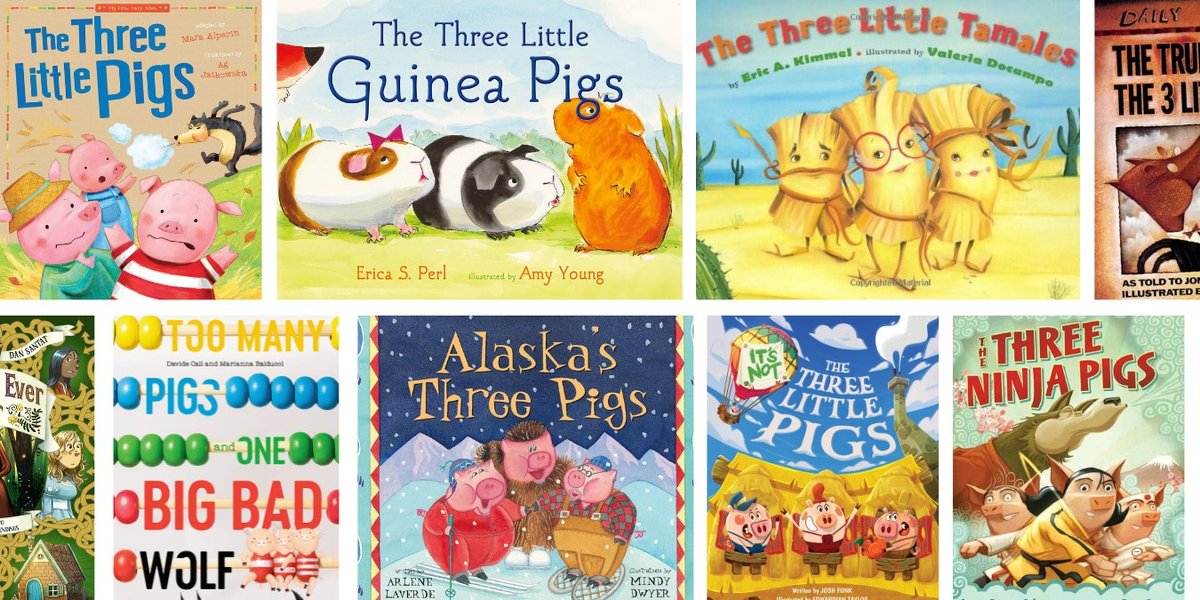
Few stories resonate across generations quite like The Three Little Pigs. What seems like a simple children's tale of a wolf and some clever farm animals actually carries a profound depth, packed with universal themes and morals that remain strikingly relevant, no matter your age. It's a foundational story in our cultural consciousness, offering timeless insights into the value of hard work, foresight, and resilience.
At a Glance: The Enduring Wisdom of The Three Little Pigs
- Effort Matters: Diligence and patience in preparation lead to lasting security.
- Laziness Costs: Shortcuts and quick fixes often lead to bigger problems down the road.
- Adversity is Inevitable: The "Big Bad Wolf" symbolizes life's challenges that test our foundations.
- Wisdom Triumphs: Strategic thinking and preparation can overcome brute force and immediate threats.
- Build Strong Foundations: Whether in finances, career, or relationships, solid planning creates resilience.
- Learn from Others (and Your Own Mistakes): The younger pigs eventually sought refuge and learned from their elder brother's wisdom.
Beyond the Bricks: A Quick Story Recap
Before we dive into the deeper meanings, let's quickly re-anchor ourselves to the familiar narrative. Three independent little pigs leave home to build their own lives.
The youngest, eager for play, quickly constructs a house of straw. It’s fast, it's easy, but it lacks substance. The middle pig, a bit more cautious but still prioritizing leisure, builds a house of sticks. It’s a step up, but far from robust.
Then comes the eldest pig. Patient and methodical, he invests time and effort into building a strong, sturdy house of bricks. It's a longer, more arduous process, but he understands its enduring value.
Enter the Big Bad Wolf, representing the inevitable challenges and dangers of the world. With little effort, he demolishes the straw house, sending the youngest pig scurrying to his brother. The stick house fares no better, forcing both younger pigs to flee to the brick house. There, the wolf's huffing and puffing proves futile. The brick house stands firm.
The story culminates in the eldest pig's clever trap – a pot of boiling water in the fireplace – outsmarting the wolf and ensuring their permanent safety. It’s a vivid illustration of how true security isn't just about building strong, but thinking smartly.
The Foundation of Foresight: Hard Work, Patience, and Preparation
At its heart, The Three Little Pigs is a powerful testament to the virtues of diligence and foresight. It's a masterclass in why taking the time to do things right, even when it's harder, pays off immeasurably in the long run.
The Power of Diligence: Building Your Brick House
The eldest pig exemplifies what it means to be diligent. He doesn't rush, he doesn't cut corners. His focus is on longevity and security, understanding that a temporary inconvenience now prevents a potential catastrophe later. This isn't just about "working hard"; it's about "working smart and purposefully."
Think about it: building with bricks is tough. It requires mixing mortar, laying each brick precisely, allowing things to set. It's a deliberate, painstaking process. But the result? A structure that can withstand incredible pressure. This directly translates to our own lives.
- In Education: The student who consistently studies, understands concepts deeply, and doesn't cram last minute is building a "brick house" of knowledge.
- In Skill Development: Mastering a craft or profession takes countless hours of practice and learning. These are the bricks that build expertise and career resilience.
- In Personal Growth: Developing self-discipline, emotional intelligence, or healthy habits requires consistent, often uncomfortable, effort over time.
This diligence isn't about being busy; it's about being effective and strategic in your efforts. It's about recognizing that some investments of time and energy aren't just for today, but for all your tomorrows.
Patience Pays Off: Why Speed Isn't Always Your Friend
The tale starkly contrasts immediate gratification with delayed rewards. The younger pigs want instant results – a house built quickly so they can play. They prioritize speed over substance. While their approach offers immediate leisure, it comes at the cost of long-term security.
Patience in this context isn't passive waiting; it's active endurance. It's the commitment to a process even when it feels slow or unglamorous. It's understanding that true strength and stability are rarely instantaneous.
Consider the allure of "get rich quick" schemes versus the steady, consistent growth of a well-managed investment portfolio. Or the desire for a "quick fix" diet versus the gradual, sustainable changes of a healthy lifestyle. The path of patience builds something robust, while the path of haste often leads to fragility. Folklorists and child development experts often highlight this as a core lesson, preparing young minds for the realities of consequence and the rewards of sustained effort.
From Straw to Safety: The Perils of Procrastination and Shortcuts
The straw and stick houses serve as potent symbols of the dangers of procrastination and taking shortcuts.
- The Straw House: Represents extreme haste and laziness. It’s built with minimal effort, offering no real protection. This is akin to someone who puts off important tasks until the last minute, delivers shoddy work, or makes impulsive decisions without thinking of consequences. The "house" collapses at the first sign of pressure.
- The Stick House: A slight improvement, showing a bit more effort than straw, but still fundamentally weak. It symbolizes those moments where we know we should put in more effort but choose a passable solution instead of a truly strong one. It's the "good enough" mentality that ultimately proves insufficient when real challenges arise.
Both houses, despite their differences in initial effort, share a common fate: they are easily destroyed by the wolf. This illustrates a critical moral: temporary solutions offer only temporary relief and inevitably lead to greater vulnerability.
Facing the Big Bad Wolf: Understanding Life's Challenges
The Big Bad Wolf isn't just a scary antagonist; he's a versatile symbol for the myriad challenges we face throughout life. Understanding what he represents helps us apply the story's lessons more broadly.
The Wolf as Metaphor: Adversity in Many Forms
In the story, the wolf is a literal predator. In life, your "wolf" could take many forms:
- Financial Crises: An unexpected job loss, medical emergency, or economic downturn.
- Career Setbacks: Project failures, difficult bosses, market shifts.
- Relationship Troubles: Conflicts, betrayals, breakups.
- Health Issues: Illness, injury, the need for lifestyle changes.
- Temptation: The allure of instant gratification, unhealthy habits, or unethical shortcuts.
- External Pressures: Societal expectations, peer pressure, demanding circumstances.
The key takeaway here is that adversity will come. You cannot avoid the wolf; you can only choose how you prepare for his arrival. The story teaches us that preparation is not about preventing problems from arising, but about building the capacity to withstand them when they inevitably do. This often means investing in resilience long before the storm hits, a principle echoed in risk management and personal development philosophies.
Brute Strength vs. Strategic Wisdom: Overcoming Obstacles
While the wolf possesses brute strength and relentless determination, the eldest pig demonstrates that wisdom and strategic thinking are far more potent weapons. The wolf tries to blow down the brick house with sheer force, but it fails. He then tries to outsmart the pig by coming down the chimney, only to fall into a boiling pot.
This highlights a critical lesson:
- Don't just be strong; be smart. The pig didn't rely solely on the strength of his house; he used his intelligence to devise a trap.
- Anticipate and plan. He knew the wolf wouldn't give up and thought several steps ahead.
- Use your environment. The fireplace became a strategic defense, turning the wolf's attack into his downfall.
This teaches us that facing adversity isn't just about weathering the storm; it's about actively strategizing, adapting, and sometimes, turning a perceived weakness into an advantage. It's about critical thinking and problem-solving, not just sheer endurance.
Building a Life That Lasts: Practical Applications of Pig Wisdom
The themes and morals of The Three Little Pigs aren't just abstract ideas; they offer practical guidance for building a secure and resilient life in the real world. Let's explore how these lessons apply to different areas of your life. For a deeper dive into the story's overall impact and context, consider exploring All about the Little Pigs.
Financial Fortitude: Your "Brick House" Budget
Perhaps one of the most direct applications of the story is in personal finance.
- The Straw House Budget: Living paycheck to paycheck, accumulating credit card debt, having no emergency fund. This approach offers immediate spending gratification but leaves you utterly vulnerable to unexpected expenses or job loss.
- The Stick House Savings: Saving a little, perhaps for a short-term goal, but not consistently or significantly enough for true long-term security like retirement or major emergencies. It's better than nothing, but still leaves gaping holes.
- The Brick House Financial Plan: Consistently saving, investing wisely, having a robust emergency fund (3-6 months of living expenses), planning for retirement, and managing debt responsibly. This requires discipline, patience, and often making sacrifices in the short term, but it builds genuine financial security that can withstand economic "wolves."
Think of every dollar saved or invested as a brick in your financial house. Every wise financial decision strengthens your foundation against market volatility, unexpected bills, or even retirement challenges.
Career and Skill Development: Laying Solid Professional Bricks
In your career, the same principles apply. Are you building a "straw house" career or a "brick house" career?
- Straw House Career: Chasing fads, avoiding skill development, focusing only on immediate gains, not investing in continuous learning or networking. These careers are often susceptible to layoffs, technological shifts, or obsolescence.
- Stick House Career: Doing the bare minimum, acquiring some skills but not deepening expertise, relying on others for growth opportunities. While it might offer some stability, it lacks resilience and limits upward mobility when competition intensifies.
- Brick House Career: Continuously learning new skills, seeking out challenges, building a strong professional network, pursuing certifications, and specializing in areas of demand. This involves proactive planning, investing time in professional development, and understanding that expertise is built brick by painstaking brick. Such a career is robust against industry changes and makes you an invaluable asset.
The "wolf" in your career could be automation, a recession, or a competitor. The stronger your skill set and professional network, the better equipped you are to not just survive, but thrive.
Relationships: Nurturing Strong Bonds, Brick by Brick
The lessons extend beyond material security to the relational aspect of life.
- Straw House Relationships: Based on fleeting infatuation, superficial interactions, or a lack of effort. These relationships crumble at the first sign of conflict or external pressure because they lack a solid foundation of trust, communication, and mutual commitment.
- Stick House Relationships: Having some common interests and occasional good times, but avoiding deep conversations, conflict resolution, or consistent emotional investment. They might last a while, but they are vulnerable to misunderstandings and the inevitable strains of life.
- Brick House Relationships: Built on consistent effort, open communication, mutual respect, shared values, and a willingness to work through challenges. This requires patience, vulnerability, and sustained dedication. Every honest conversation, every act of support, every shared experience is a brick laid. These relationships are resilient, able to withstand disagreements, external stressors, and the test of time.
Building strong relationships is hard work, but the security and fulfillment they offer are invaluable when life’s "wolves" appear.
Personal Resilience: Weathering Life's Storms
Finally, the story is a powerful metaphor for developing personal resilience – your ability to bounce back from adversity.
- Straw House Resilience: Lacking coping mechanisms, avoiding difficult emotions, relying solely on external validation. When faced with stress or trauma, such an individual may collapse or struggle to recover.
- Stick House Resilience: Having some coping strategies but not a deep emotional toolkit. They might manage minor stressors but buckle under significant pressure.
- Brick House Resilience: Cultivating self-awareness, emotional regulation, a strong support system, problem-solving skills, and a positive outlook developed through experience. This "house" is built by consistently challenging yourself, learning from mistakes, and nurturing your mental and emotional well-being. When life delivers a blow, you have the internal resources to process, adapt, and move forward.
The eldest pig wasn't just physically prepared; he was mentally and emotionally astute, capable of thinking clearly under pressure. That's the hallmark of true personal resilience.
Unpacking the Symbols: What Each Element Represents
To fully appreciate the timeless wisdom of The Three Little Pigs, it helps to look beyond the literal characters and understand what each element symbolizes.
The Houses: Effort, Foresight, and Security
- The Straw House: This symbolizes haste, carelessness, and an aversion to effort. It represents the easy way out, the quick fix, or the path of least resistance. Its immediate collapse highlights the severe consequences of inadequate preparation and prioritizing fleeting desires over future security. It's a stark warning against laziness.
- The Stick House: A step above straw, this house represents moderate effort, a slight improvement, but still a shortcut. It suggests a desire to do just enough to get by, without committing to the truly robust solution. While it takes slightly longer to blow down, its ultimate failure underscores that "good enough" is rarely enough when significant challenges arise.
- The Brick House: The epitome of diligence, patience, and wisdom. This house represents solid, thoughtful effort and a commitment to quality and longevity. It stands as a beacon of security, symbolizing that true protection and lasting success come from investing time, energy, and resources into building strong foundations. It's the ultimate reward for principled work.
The Pigs: Stages of Maturity and Wisdom
- The Youngest Pig (Straw): Often represents youthful naiveté, impulsiveness, and a strong preference for immediate gratification. He hasn't yet learned the lessons of consequence. His journey is one of learning the hard way.
- The Middle Pig (Sticks): Represents a slightly more developed, but still immature, perspective. He shows a bit more caution than his youngest brother but still underestimates the severity of potential threats, choosing convenience over true security. He too learns from his mistakes and the wisdom of his elder brother.
- The Eldest Pig (Bricks): The embodiment of foresight, responsibility, discipline, and wisdom. He understands the value of long-term planning and hard work. He's not just physically strong, but also mentally agile, demonstrating leadership and protective instincts. He represents the ideal of a prepared and resilient individual.
The Wolf: Adversity, Temptation, and External Threats
- The Big Bad Wolf: This iconic villain is not just a predator; he's a dynamic symbol for any challenge, adversity, or temptation that threatens to undermine our well-being and security. He represents:
- Inherent Dangers: The natural risks and obstacles present in life.
- External Pressures: Societal expectations, economic downturns, unexpected events.
- Internal Temptations: The urge to take shortcuts, procrastinate, or give in to impulses that undermine long-term goals.
- The Test: The wolf doesn't just destroy; he tests the strength of our foundations and our resolve.
His relentless pursuit and eventual defeat by the eldest pig's cleverness reinforce the idea that with the right preparation and strategic thinking, even the most formidable challenges can be overcome.
Common Misconceptions and Deeper Dives
While the core morals are straightforward, deeper readings and common questions can add even more nuance to our understanding of the story.
Is it just about "hard work"? No, it's Smart Work.
While "hard work" is a key moral, it’s often misinterpreted as simply expending a lot of effort. The story actually highlights smart work. The eldest pig isn't just working hard; he's working purposefully with a clear vision of durability and safety. He chooses the right materials and the right method for the job. You can work incredibly hard building a straw house, but it won't yield the same results as working smartly on a brick one. The lesson is about aligning effort with effective strategy and foresight.
Does it encourage fear? No, it encourages Prudence and Empowerment.
Some might view the wolf as instilling fear. However, the story doesn't promote living in fear; rather, it champions prudence and preparation. It acknowledges that dangers exist, but instead of succumbing to them, it empowers the individual to build defenses and develop strategies to overcome them. The eldest pig isn't paralyzed by fear; he's motivated by a desire for security and uses his intellect to ensure it. It's about proactive problem-solving, not reactive panic.
Is it only for children? How Adults Apply These Lessons.
Absolutely not. While introduced in childhood, the morals are profound life lessons for adults. As we've explored, the "houses" and "wolf" manifest in adult life as financial stability, career resilience, relationship strength, and personal well-being. Adults constantly navigate choices between quick fixes and long-term investments, between instant gratification and delayed rewards. The story serves as a timeless reminder to build our lives with integrity and foresight, recognizing that the "wolves" of adversity are always lurking, regardless of age.
What about community and cooperation?
While the focus is often on individual effort, the story also subtly touches on community. The younger pigs, though initially foolish, are accepted into the brick house. This shows the importance of supporting those who learn from their mistakes and the power of a strong foundation to protect not just oneself, but others. It hints at the idea that the strong can provide refuge for the vulnerable, reinforcing the social contract and the value of a resilient community.
Your Blueprint for a Stronger Future: Applying These Timeless Lessons Today
The Three Little Pigs endures because its lessons are fundamental to human experience. It's not just a charming tale; it's a blueprint for navigating life with greater wisdom and security.
As you reflect on this classic story, consider your own "houses" and "wolves":
- Identify Your "Straw Houses": Where in your life are you taking shortcuts, procrastinating, or investing minimal effort? Are there areas where you're prioritizing immediate gratification over long-term stability? Be honest with yourself about these vulnerabilities.
- Commit to "Brick-Building": Choose one area to start building a stronger foundation. This might mean starting an emergency fund, learning a new skill diligently, consistently working on a relationship, or establishing a new healthy habit. Remember, it’s about consistent, purposeful effort, not sudden, unsustainable bursts.
- Anticipate Your "Wolf": While you can't predict every challenge, you can anticipate common ones. What financial "wolves" might appear? What career "wolves"? What health "wolves"? By acknowledging their potential presence, you can proactively strengthen your defenses.
- Cultivate Wisdom, Not Just Effort: Don't just work hard; think strategically. How can you apply cleverness and foresight, like the eldest pig, to overcome your challenges? Look for sustainable solutions, not just quick fixes.
- Embrace the Journey: Building a "brick house" takes time. There will be moments of frustration, moments where the "straw house" looks appealing. But the peace of mind, the security, and the lasting strength that come from purposeful building are well worth the effort.
The story of The Three Little Pigs isn't just a nostalgic echo from childhood; it's a living guide, constantly reminding us that while the winds of change will always blow, a life built with patience, discipline, and wisdom can stand firm against any storm.