For generations, the tale of the three little pigs and their encounter with a huffing, puffing wolf has been a cornerstone of childhood storytelling. But if you think you know "The Three Little Pigs Story & Its Versions" inside and out, prepare to have your brick house blown away. This timeless fable, far from being static, has been reimagined, reinterpreted, and retold countless times, reflecting cultural shifts, new perspectives, and endless creative possibilities. It's a testament to the enduring power of a simple narrative to adapt and resonate across ages and media.
At a Glance: What You'll Discover
- The Original Core: Unpack the foundational elements of the traditional "Three Little Pigs" tale and its surprising historical journey.
- Beyond the Farm: See how the classic narrative has evolved in books, from zany comedies to dark, thought-provoking retellings.
- From Page to Screen: Explore the myriad film, television, and even musical adaptations that have cemented the pigs and the wolf in popular culture.
- Timeless Lessons: Understand why this story continues to teach us about diligence, planning, and facing life's "big bad" challenges.
- Choosing Your Adventure: Get tips on navigating the vast world of "Three Little Pigs" retellings to find the perfect version for any audience.
The Enduring Core: What Makes a Pig a Pig, and a Wolf a Wolf?
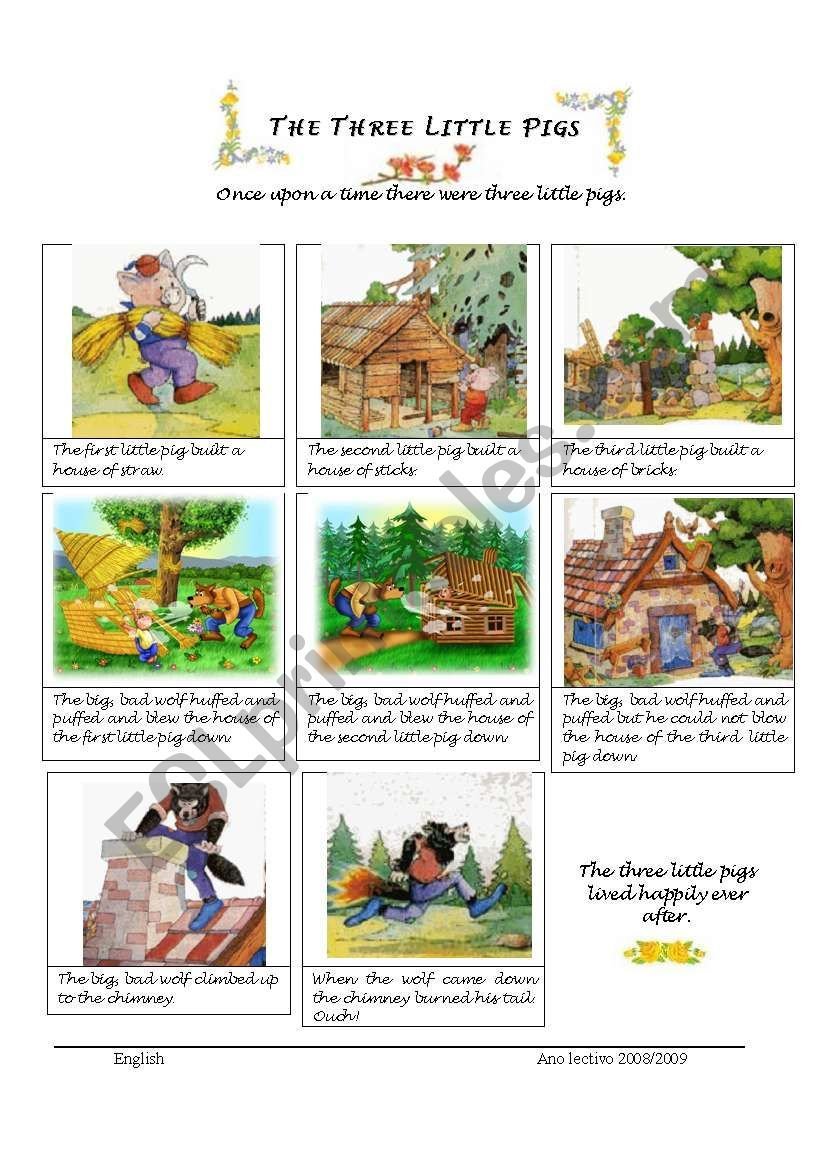
At its heart, "The Three Little Pigs" is a fable, a story designed to teach a moral lesson. You likely remember the basics: three porcine siblings, each building a house from different materials—straw, sticks, and sturdy bricks. Along comes the Big Bad Wolf, who with a mighty "huff and puff," demolishes the flimsy homes of the first two pigs, but meets his match with the third pig's well-constructed brick dwelling. This simple narrative explores themes of hard work, foresight, and the consequences of hasty choices.
While the story feels ancient, its earliest published versions date back to the 1840s, though folklorists believe its oral tradition stretches back much further. Interestingly, one of the earliest printed versions from 1853, originating in Dartmoor, Devon, England, featured three little pixies and a fox, not pigs and a wolf! The version that truly cemented itself in the Western consciousness, complete with the iconic phrases "not by the hair of my chinny chin chin" and "I'll huff, and I'll puff, and I'll blow your house in," appeared in Joseph Jacobs' English Fairy Tales in 1890, crediting James Halliwell-Phillipps as the source who first included these standard lines in his 1886 edition of Nursery Rhymes of England. This tale is so deeply ingrained it's classified as a type B124 folktale in the Thompson Motif Index, a testament to its universal structure.
The Traditional Plot: More Than Just Blown-Down Houses
The standard plot is surprisingly grim compared to many modern retellings. Traditionally, the mother pig sends her offspring out to "seek out their fortune." The first pig builds a straw house, the wolf blows it down, and then devours the pig. The same fate befalls the second pig and his stick house. It's only the third pig, with his brick house, who survives. But the story doesn't end there. The wolf, unable to blow down the brick house, attempts to outwit the pig through a series of increasingly elaborate schemes—inviting him to a turnip field, an apple orchard, and a fair—each time outsmarted by the clever pig. The climax usually sees the wolf trying to enter via the chimney, only to fall into a boiling pot of water prepared by the pig, who then often eats the wolf.
Of course, common variations quickly emerged. In many versions, particularly those softened for younger audiences, the first two pigs manage to escape to the brick house, narrowly avoiding the wolf's jaws. Perhaps the most significant cultural shift came with Disney's 1933 Silly Symphony cartoon, where the wolf merely burns his tail trying the chimney trick and flees, sparing him the gruesome fate of the boiling pot. This particular adaptation had a profound impact on how generations would come to view the tale.
Literary and Cultural Resonance
The story’s phrases and morals are deeply embedded in Western culture, serving as shorthand for diligence and resilience. It's a classic example of the literary "rule of three," where the third, contrasting element (the brick house) proves superior, reinforcing the lesson. Psychoanalyst Bruno Bettelheim interpreted the tale as a powerful symbol of moving from the "pleasure principle" to the "reality principle," showing the necessity of building a solid foundation and demonstrating courage to face life's inevitable adversities. It teaches us that immediate gratification often leads to peril, while thoughtful effort leads to security. To truly appreciate the foundational aspects of this story and its impact, it's worth taking a deeper dive into the characters themselves. You can Learn about the Little Pigs in more detail and explore their archetypal roles.
Beyond the Classic: Modern Book Retellings That Reimagine the Tale
The beauty of a classic tale lies in its capacity for reinvention. The "Three Little Pigs" has proven to be a fertile ground for authors and illustrators to explore new angles, introduce different lessons, or simply make us laugh. From humorous takes to dark fables, and even complete inversions, these book versions show the incredible versatility of the original premise.
Humorous & Creatively Zany Takes
Some retellings lean into the humor and absurdity of the situation, offering lighthearted twists:
- James Marshall delivers a version very close to the original text but infused with his signature unique humor and hilarious illustrations. It's a masterclass in how visuals can elevate a familiar narrative.
- Steven Kellogg creates a zany world where Serafina Pig's three piglets run a waffle business. The antagonist, Tempesto the Wolf, ensures plenty of trouble, and Kellogg's detailed illustrations reward repeat readings with new discoveries.
- Mark Teague offers a cheerful retelling that completely strips away the scary parts, ending with the pigs and the wolf actually becoming friends. It’s known for its wonderfully expressive illustrations that soften the traditional conflict.
- Bruce Whatley offers a wonderfully silly meta-narrative. The story begins traditionally, but then the illustrator spills juice on the straw house and later runs out of paint for the pigs, adding a layer of self-aware humor that children (and adults) adore.
- Liz Pichon twists the narrative by making the pigs horrid and lazy, thrown out by their mother. The wolf, far from being bad, is a polite construction worker who helps them rebuild their poorly constructed homes. The third pig even lives in a chicken coop, and the wolf ultimately helps the pigs overcome their nastiness and build strong houses.
Perspective Shifts & Moral Lessons
These versions challenge assumptions and encourage critical thinking by shifting the narrative viewpoint or adding layers of nuance:
- Jon Scieszka's The True Story of the 3 Little Pigs! is a modern classic for a reason. Told from the wolf's perspective (Alexander T. Wolf), he claims he was merely seeking a cup of sugar for his granny's cake and that his "blowing down" was just a bad cold-induced sneeze after the rude pigs refused to share. It's brilliant for teaching point of view and critical evaluation.
- Judy Sierra's version is set years later, with the B.B. Wolf living at a senior center, attempting to tell his fabricated side of the story at a library. Other fairy tale animals interrupt his tall tales, ultimately leading to the wolf apologizing and building the pigs a "piggyback mansion." It's a tale of redemption and taking responsibility.
- Steve Smallman gives us a "Big Bad" wolf who is actually quite nice but suffers from a terrible cold. He accidentally blows the houses down while sneezing when he's just asking for tissues. Eventually, he climbs down the third pig's chimney—not to eat the pig, but to finally get a tissue! This teaches empathy and looking beyond first impressions.
Darker & More Mature Interpretations
Some retellings don't shy away from the original story's darker elements, offering versions for older readers or those who appreciate a more traditional, less sanitized approach:
- Barry Moser presents a stark, dark version where the wolf definitively eats the first two pigs, with illustrations starkly depicting bones and hot sauce bottles as evidence. This version is often suggested for older students to compare with other interpretations.
- Paul Galdone's vintage, traditional tale sticks closely to the original, including the wolf eating the first two pigs and the third pig eventually eating the wolf. It's a classic example of the unvarnished folklore.
- Margot Zemach also offers a vintage tale very similar to Galdone's, adhering to the classic version's plot points but with her unique illustrative style.
Genre-Bending & Fractured Fairy Tales
These authors twist the familiar narrative into entirely new genres and contexts, pushing the boundaries of the story:
- Eileen Christelow features Detective Doggedly investigating the Big Bad Wolf. The twist reveals the wolf to be Esmerelda the sheep in disguise, who checks into a hospital after her "crimes." It’s excellent for teaching inference and introduces a detective mystery element.
- Eugene Trivizas completely inverts the cast in The Three Little Wolves and the Big Bad Pig. Here, three little wolves build houses of brick, concrete, and even armor-plated steel, only to be thwarted by a diabolical pig armed with a sledgehammer, pneumatic drill, and dynamite. It's a wild, creative fractured fairy tale.
- Corey Rosen Schwartz brings martial arts to the barnyard with The Three Little Ninja Pigs. The first two lazy pigs fail their ninja training and can't defeat the wolf. But the third pig, after earning a black belt, scares the wolf away with karate flips and kicks, featuring silly dialogue and rhyming text.
Cultural & Geographic Adaptations
The story's universal themes allow for easy transplantation into diverse cultural settings:
- Susan Lowell sets her adaptation in the Sonoran desert of the Southwestern US, featuring three little javelinas (wild pigs) harassed by the big bad Coyote. Their homes are built of tumbleweed, saguaro cactus ribs, and sturdy adobe bricks, reflecting the regional architecture and wildlife.
- Eric A. Kimmel offers a creative version set in Texas near the Mexican border, cleverly incorporating Spanish vocabulary into the narrative, enriching the cultural flavor.
- Mike Artell brings the story to Louisiana with a Cajun accent, where the three pigs build their houses and are pursued by Claude, "dat big gator," providing a distinct regional voice and antagonist.
Completely Abstracted & Metaphorical
Some retellings take the core concept and apply it to entirely different subjects, creating delightful metaphors:
- David Gordon creatively retells the story with the three pigs as "three little rigs" (trucks) and the big bad wolf as a "big bad wrecking ball." It's an ingenious way to introduce mechanical concepts while retaining the fable's structure.
- Ken Geist dives into the deep blue sea, where three fish named Jim, Tim, and Kim build homes, pursued by a big bad shark. This adaptation teaches about different underwater environments and dangers.
- David Wiesner's Caldecott medal-winning version is a phenomenal example of visual storytelling. The wolf doesn't just blow the first pig's house down; he blows the pig out of the story and into another fairy tale world! This can be delightfully confusing for young listeners but incredibly enjoyable for older kids and adults who appreciate meta-narrative.
Educational & Simplified Versions
Some books focus on accessibility, making the story available for emerging readers:
- Harriet Ziefert offers an easy reader version, perfectly suitable for mid-first grade reading level, allowing young children to engage with the classic tale independently.
The Big Bad Wolf, Big Screen, and Beyond: Media Adaptations Across Eras
The "Three Little Pigs" didn't stay confined to books for long. Its compelling narrative, clear characters, and easily visualizable action made it a perfect candidate for adaptation across various media, from early literary variations to iconic cartoons, musical numbers, and even dark modern dramas.
Early Literary Adaptations: Broadening the Beast
Before the explosion of multimedia, other authors were already playing with the core elements:
- Joel Chandler Harris's Uncle Remus (1881/1883) replaced the pigs with Br'er Rabbit or, in "The Story of the Pigs," with five pigs (Big, Little, Speckle, Blunt, Runt) building various houses (brush, stick, mud, plank, stone) to face Br'er Wolf or a gator. This shows an early folk tradition of adapting the core concept to local fauna and narrative styles.
- Andrew Lang's The Green Fairy Book (1892) featured pigs named Browny, Whitey, and Blacky, with a fox as the antagonist and houses of mud, cabbage, and brick. Here, the clever Blacky rescues her siblings, a deviation from the traditional individual demise.
Disney's Enduring Legacy: A Cultural Icon Is Born
Perhaps no adaptation had a greater impact on global perception than Disney's:
- 1933 - Disney's Silly Symphony cartoon: This iconic short film introduced Fifer Pig, Fiddler Pig, and Practical Pig. Crucially, the first two pigs escape to the brick house, and the wolf (voiced by Billy Bletcher) merely burns his behind trying to enter the chimney and runs away, sparing him from death. This version, with its catchy "Who's Afraid of the Big Bad Wolf?" song, shaped generations' understanding of the story and softened its harsher edges.
- The success of the 1933 short spawned several sequels: The Big Bad Wolf (1934), Three Little Wolves (1936, introducing the wolf's mischievous sons), The Practical Pig (1939, featuring a lie detector), and The Thrifty Pig (1941, a Canadian war bonds short against Nazi Germany). These characters, particularly the three pigs, also made a cameo in Who Framed Roger Rabbit, showcasing their enduring place in animation history.
Wartime & Political Satire: The Wolf as Enemy
During times of conflict, the wolf archetype proved useful for propaganda and satire:
- 1942 - Walter Lantz, The Hams That Couldn't Be Cured: This short offered a twist where the wolf claims the pigs harassed him with instruments, leading to his house being destroyed—an early example of narrative inversion.
- 1942 - MGM, Tex Avery, Blitz Wolf: A powerful wartime cartoon where the Big Bad Wolf is unmistakably depicted as Adolf Hitler, blowing down democratic nations, but meeting his match in a fortified, patriotic pig.
- 1943 - Warner Bros., Pigs in a Polka: This classic used Johannes Brahms' Hungarian Dances as the soundtrack for a musical retelling, blending high art with cartoon antics.
Perspective Reversals: Is the Wolf Truly Bad?
The idea of telling the story from the wolf's perspective gained traction in both books and animation:
- 1952 - Warner Bros., The Turn-Tale Wolf: This cartoon told the story from the wolf's perspective, portraying the pigs as the true villains, a precursor to Scieszka's famous book.
- 1989 - The True Story of the 3 Little Pigs! (book): As mentioned earlier, Jon Scieszka's brilliant book, narrated by Alexander T. Wolf, perfectly exemplifies this shift in perspective.
Further Cartoons & Reinventions: Endless Play
Animation studios continued to find new ways to adapt the story:
- 1953 - MGM, Tex Avery, The Three Little Pups (Droopy cartoon): This iteration replaced pigs with dogs (Droopy, Snoopy, Loopy) and the wolf with a dog catcher, showcasing the adaptability of the "chase and evade" formula.
- 1957 - Warner Bros., The Three Little Bops: In this jazz-infused cartoon, the pigs are a cool jazz band, and the wolf desperately tries (and fails) to join them, adding a musical comedy element.
- 1964 - Walter Lantz, Three Little Woodpeckers: Here, the pigs are replaced by Knothead (straw tree), Splinter (stick tree), and Woody Woodpecker (petrified tree), with Woody outsmarting the wolf.
- 1996 - What a Cartoon!, Wind-Up Wolf: This short introduced the Big Bad Wolf creating a robot minion to do his huffing and puffing for him.
Music & Modern Media: New Storytelling Avenues
The story's rhythmic quality and strong characters have also lent themselves to music and new theatrical forms:
- 1953 - Al "Jazzbo" Collins: A unique jazz version of the tale was narrated on Brunswick Records, giving the classic story a cool, swinging vibe.
- 1992 - Green Jellö song, "Three Little Pigs": This highly stylized song set the story in Los Angeles, with the wolf on a Harley and the pigs as a guitarist, an evangelist, and a Harvard architect. John Rambo eventually kills the wolf, reflecting a wild, modern interpretation.
- 2003 - Studio 100 musical, De 3 Biggetjes (Three Little Pigs): This Dutch musical follows the three daughters of the brick-house pig, showcasing the generational legacy of the story.
TV & Film Appearances: Pop Culture Mainstays
The characters have popped up in countless mainstream productions:
- 1985 - Shelley Duvall's Faerie Tale Theatre: Billy Crystal starred as "Larry Pig" and Jeff Goldblum as "Buck Wolf" in this live-action television adaptation, bringing celebrity flair to the fable.
- 2008 - 3 Pigs and a Baby (Unstable Fables film): An animated film featuring voice talents like Jon Cryer, Brad Garrett, Steve Zahn, and Jesse McCartney, offering a humorous take on the tale.
- Various - Shrek films and TV specials: The three pigs and the wolf are recurring, beloved characters, often portrayed as neurotic and constantly threatened, becoming part of the broader fairy tale universe.
- Various - Barney and Friends: In a much gentler adaptation for preschoolers, the wolf simply faints from running out of breath rather than being boiled, perfectly suiting the show's educational and non-violent tone.
- Various - Super Why!: The character of Pig (Littlest Pig) is a main character who transforms into Alpha Pig, linking the classic story to early literacy education.
- 22018 - Tell Me a Story (TV series): This dark, modern drama interweaves The Three Little Pigs into its narrative, demonstrating how timeless themes of greed, survival, and revenge can be adapted for adult audiences.
Pop Culture References: A Shared Language
The story is so ubiquitous that references appear everywhere, becoming a form of cultural shorthand:
- Various - Disney Parks and Resorts: The three pigs regularly appear as meet-and-greet characters, delighting visitors.
- Various - The Shining (film): Jack Torrance famously recites lines from the fable, adding a chilling layer to the psychological horror.
- Various - Kamen Rider Saber: The Japanese tokusatsu series features a "Kobuta 3Kyoudai" (The 3 Little Sibling Pigs) Wonder Ride Book, incorporating the fable into superhero mythology.
- 2023 - Doric Film Festival winner Aaron Gayle: His animated version, Three Wee Grumphie, translated the story into North-east Scotland dialect (Doric), even including the wolf's mother, showing how localized storytelling can invigorate a classic.
Why Do We Keep Telling This Story? Unpacking Its Timeless Lessons
The sheer volume and variety of "The Three Little Pigs" retellings speak to its enduring appeal and profound cultural significance. But why does this particular narrative resonate so deeply, generation after generation?
At its core, the story offers readily understandable metaphors for life's universal challenges:
- The Value of Hard Work and Planning: The most overt lesson is the importance of diligence over idleness. The first two pigs prioritize ease and immediate gratification, choosing flimsy materials, while the third pig invests time and effort into building a strong, secure home. This directly ties back to Bruno Bettelheim's interpretation of building a solid base and submitting to the "reality principle"—understanding that good things often require effort.
- Consequences of Choices: Each pig's decision directly leads to a distinct outcome, illustrating cause and effect in a clear, impactful way. It teaches children that their choices have repercussions, some more severe than others.
- Perseverance in the Face of Adversity: The third pig not only builds wisely but also demonstrates cleverness and resilience when directly confronted by the wolf's tricks. He doesn't give up, showing that even after meticulous preparation, one must remain vigilant and resourceful.
- The Power of Perspective: As demonstrated by versions like Jon Scieszka's, the story also highlights that truth can be subjective. It encourages us to consider different viewpoints, fostering critical thinking and empathy by showing that every character has a "side" to their story.
- Adaptability of Folklore: The story itself is a lesson in adaptability. Its flexible framework allows it to be molded to teach new lessons, reflect different cultures, or simply provide entertainment, proving that truly great narratives are those that can evolve without losing their essential truth.
Ultimately, "The Three Little Pigs" provides a safe, digestible framework for exploring complex ideas about safety, risk, individual responsibility, and community—all while delivering a thrilling, memorable narrative. It's a foundational text for understanding how to approach the "big bad" challenges of life with preparation and courage.
Choosing Your Own Adventure: Navigating the World of "Three Little Pigs" Retellings
With so many versions of "The Three Little Pigs Story & Its Versions" available, how do you choose the right one for your needs, whether you're a parent, educator, or just a curious reader? Here's some practical guidance:
- Consider the Age and Sensitivity of Your Audience:
- For very young children, lean towards gentle versions like Mark Teague's or Steve Smallman's, where the wolf isn't truly menacing, or the pigs and wolf become friends. Disney's classic cartoon is also a good, softened entry point.
- For elementary-aged children, you can introduce versions with more complex themes or humor, such as James Marshall, Steven Kellogg, or even the perspective shift in Jon Scieszka's book.
- Older students can handle darker, more traditional versions (Paul Galdone, Barry Moser) to analyze the original folklore or tackle nuanced moral dilemmas found in adaptations like Tell Me a Story.
- Identify the Specific Lesson or Theme You Want to Explore:
- Point of View: Jon Scieszka's The True Story of the 3 Little Pigs! is unparalleled.
- Inference/Problem Solving: Eileen Christelow's detective version or David Wiesner's meta-story.
- Diligence/Hard Work: Most traditional versions, but also Liz Pichon's (where the wolf helps lazy pigs learn).
- Empathy/Appearance vs. Reality: Steve Smallman's nice-but-sick wolf.
- Cultural Diversity: Susan Lowell's javelinas, Eric A. Kimmel's Texas tale, or Mike Artell's Cajun rendition.
- Creativity/Abstract Thinking: David Gordon's "three little rigs" or Ken Geist's "three fish."
- Explore Different Art Styles: The illustrations are a huge part of the storytelling. Do you prefer the classic whimsy of James Marshall, the detailed chaos of Steven Kellogg, the dynamic visuals of David Wiesner, or the unique textures of Barry Moser? Art style can significantly impact the mood and message of a retelling.
- Use Adaptations for Critical Thinking and Comparison: Don't just read one! Read several different versions and discuss the differences.
- How does the wolf change?
- What happens to the first two pigs?
- What moral is taught in each version?
- Which version feels most "true" to you, and why?
This comparative approach is excellent for developing analytical skills.
- Don't Be Afraid to Venture Beyond Books: Explore the animated shorts, musical adaptations, or even modern TV series to see how the story translates across different media. Each platform offers a unique lens through which to appreciate the narrative.
By consciously choosing which version to engage with, you can unlock layers of meaning and enjoyment, making "The Three Little Pigs" not just a nostalgic memory, but a vibrant, living story that continues to evolve and instruct.
Frequently Asked Questions About the Pigs and the Wolf
What's the origin of the phrase "not by the hair of my chinny chin chin"?
This iconic line, along with "I'll huff, and I'll puff, and I'll blow your house in," was first formally included in Joseph Jacobs' English Fairy Tales (1890), who credited James Halliwell-Phillipps' fifth edition of Nursery Rhymes of England (1886) as the source. It likely existed in oral tradition before then but was popularized by these literary collections.
Did the wolf always get eaten in the original story?
In the earliest and most traditional published versions, yes, the wolf typically meets a rather gruesome end—often boiled alive by the third pig and then eaten. This changed significantly with Walt Disney's 1933 Silly Symphony cartoon, where the wolf simply burns his tail and flees. Many subsequent children's versions followed Disney's lead, softening the ending.
What is the main lesson the original story teaches?
The primary lesson of the original "Three Little Pigs" story is the importance of diligence, foresight, and hard work. It contrasts the immediate gratification and laziness of the first two pigs with the careful planning and effort of the third pig, demonstrating that thorough preparation leads to security and success in facing challenges.
Ready to Explore the Hog-Wild World of Stories?
The journey through the various iterations of "The Three Little Pigs" is more than just a trip down memory lane; it's a fascinating look at how stories adapt, endure, and continue to teach us vital lessons. From the simple cautionary tale to complex explorations of perspective and cultural identity, the pigs and their lupine nemesis have offered a versatile canvas for storytellers for nearly two centuries.
So, next time you hear a reference to a brick house or a big bad threat, remember the incredible range of narratives built upon this sturdy foundation. Whether you seek a chuckle, a challenge, or a profound truth, there's a version of "The Three Little Pigs" waiting to be discovered, proving that even the simplest fable can contain a whole world of meaning. Dive in, and let these enduring characters spark your imagination once more.